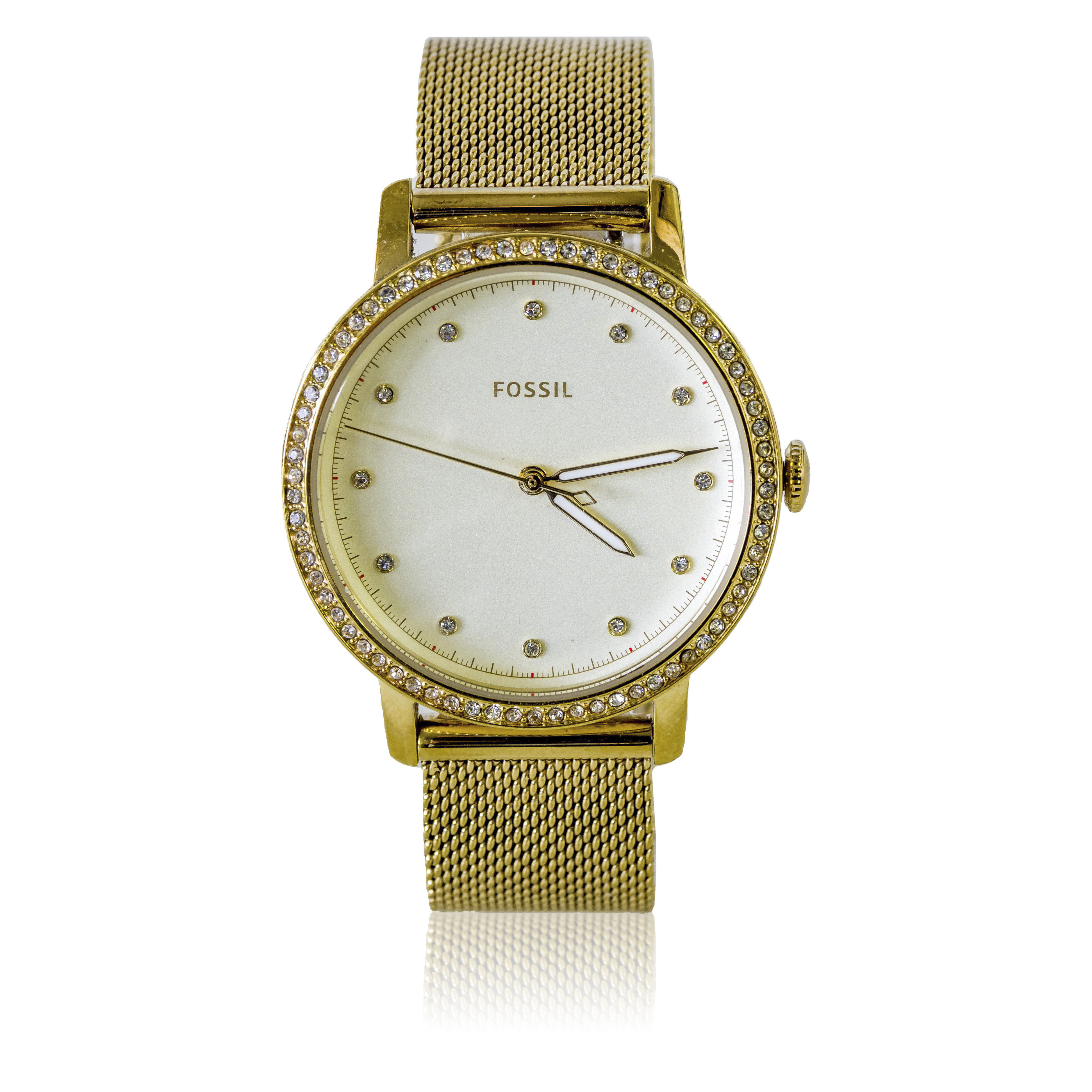

You’re standing at the bus stop, or hovering near the office kitchen, or waiting for a mate who’s “two minutes away” for the fourth time. Someone catches your eye. And what do you do? You glance down at your bare wrist and give it a little tap, as if there’s a Rolex there quietly judging the time, instead of nothing but skin and possibly a fitness tracker you forgot to charge.
We’ve all done it. The watch hasn’t been there since roughly 2014, when your phone quietly took over the job, and yet the gesture survives completely intact — wrist up, eyes down, tiny frown of concentration, as though you’re reading a dial that simply isn’t there.
So why do we keep performing a habit for a prop that no longer exists?
Turns out it’s less about telling the time and more about telling other people something. Psychologists call this kind of thing a “social script” — a little piece of body language so automatic it survives long after the reason for it has vanished. The watch-check specifically signals impatience or busyness without you having to say a word, which is far more socially acceptable than sighing loudly or announcing “I have been STANDING HERE.” Your brain learned the gesture as shorthand for “I am a person whose time matters,” and it never got the memo that the watch left the building.
And here’s the twist: studies on body language suggest the gesture works almost as well without the watch as it did with one. Other people read the movement, not the accessory — the tap, the glance, the little sigh that follows — and their brain fills in the rest. You’re not lying to anyone, exactly. You’re just running slightly outdated software that everyone else is also still running, which is why nobody’s ever pointed it out.
There’s also a theory that it’s partly comfort. Fidgeting with something — even something imaginary — gives anxious hands a job to do while you wait, the same way people pat their pockets for a phone they’re already holding, or check a door they definitely just locked.
So next time you catch yourself tapping bare skin like it owes you an answer, don’t feel silly. You’re not behind the times — you’re just still fluent in a language most of us stopped needing years ago, and somehow never unlearned.
Go on, confess — when did you last catch your own wrist doing this? I want the habits I haven’t covered yet.