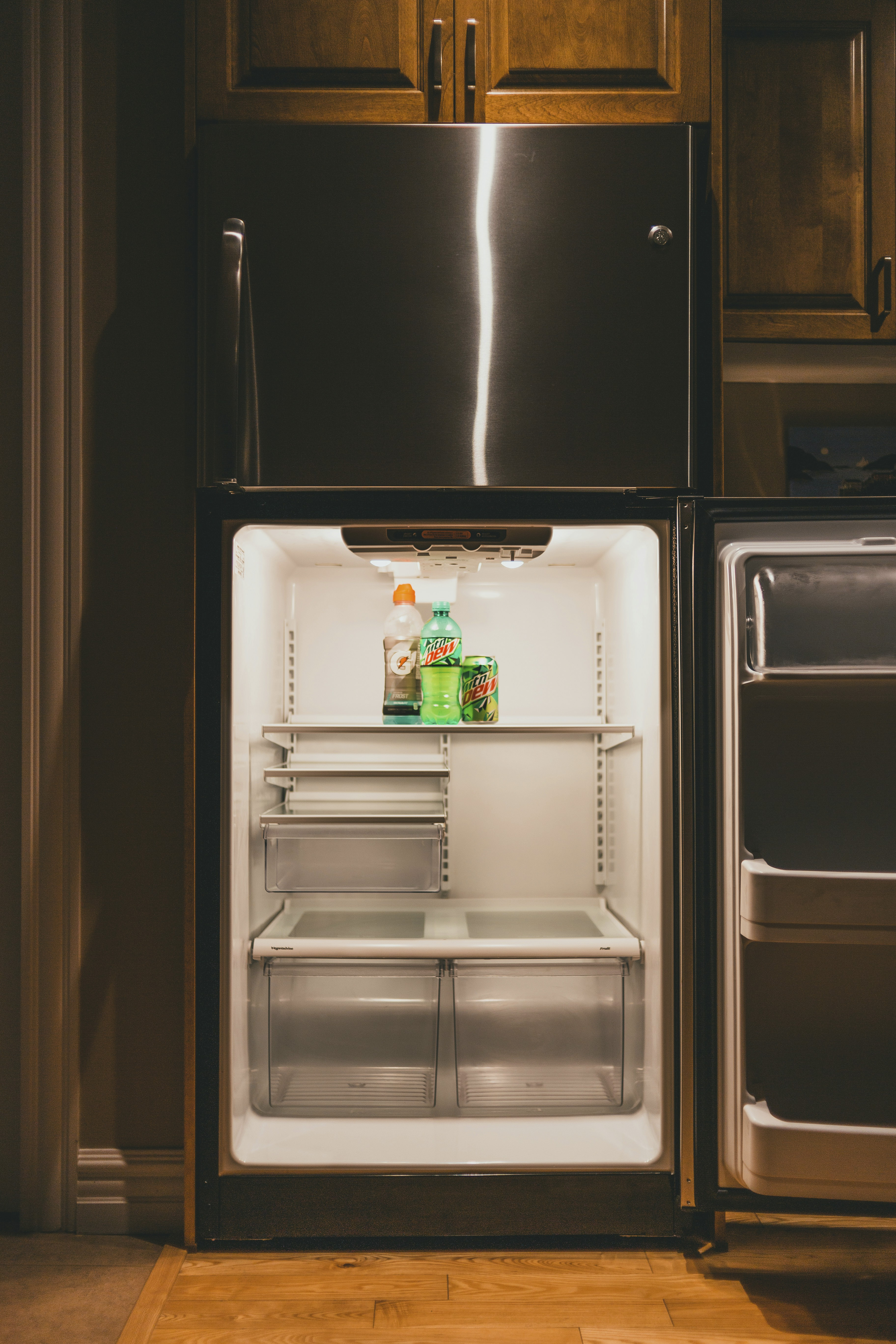

You open the fridge. You stand there. You survey the shelves — the sad lone yoghurt, the jar of something unidentifiable at the back, the block of cheese that’s seen better days — and conclude, definitively, that there is nothing to eat.
You close the door.
And then, some three to eleven seconds later, for reasons you cannot explain even to yourself, you open it again. Same fridge. Same shelves. Same sad yoghurt. You look exactly as hard the second time, fully expecting a different result, as though a sandwich might have quietly assembled itself in the interim.
It never has. And yet we all keep checking.
So why do we do this? Why does the human brain treat a fridge like it might have restocked itself in under ten seconds?
Turns out it’s less about the food and more about how we search. Psychologists call this kind of behaviour “hope over evidence” — your brain isn’t really re-checking the facts, it’s re-checking your mood. The first look was scanning for food. The second look is scanning for something closer to comfort, or possibility, or simply refusing to accept a disappointing answer on the first try. It’s the same instinct that makes you refresh an email that definitely hasn’t arrived, or check your phone for a text that didn’t come in the last ninety seconds.
There’s also a simpler explanation sitting right alongside it: attention is a leaky bucket. The first glance into a fridge is rarely a proper inventory — you’re thinking about six other things, half-registering shelves rather than actually reading them. The second look is the one where you’re finally paying attention, which is exactly why it occasionally does turn something up. Just often enough to keep the habit alive.
And here’s the twist: retailers and product designers know this instinct is universal enough to plan around it. It’s part of why supermarkets shuffle stock and endcaps regularly — customers “re-check” familiar aisles the same way they re-check fridges, half-expecting something new despite having stood in that exact spot last week. Your brain isn’t broken. It’s just doing what brains have always done: hoping the second look tells a better story than the first.
So next time you catch yourself swinging that fridge door open twice in a row, don’t overthink it. You’re not confused. You’re just quietly, optimistically, checking whether the universe changed its mind in the last few seconds. It hasn’t. But you’ll check again tomorrow anyway.
Go on, confess — what’s the most recent thing you checked twice, fully expecting a different answer the second time? I want to hear the worst ones.