
Why Do We Do That?
Why Do We Apologise to Furniture?
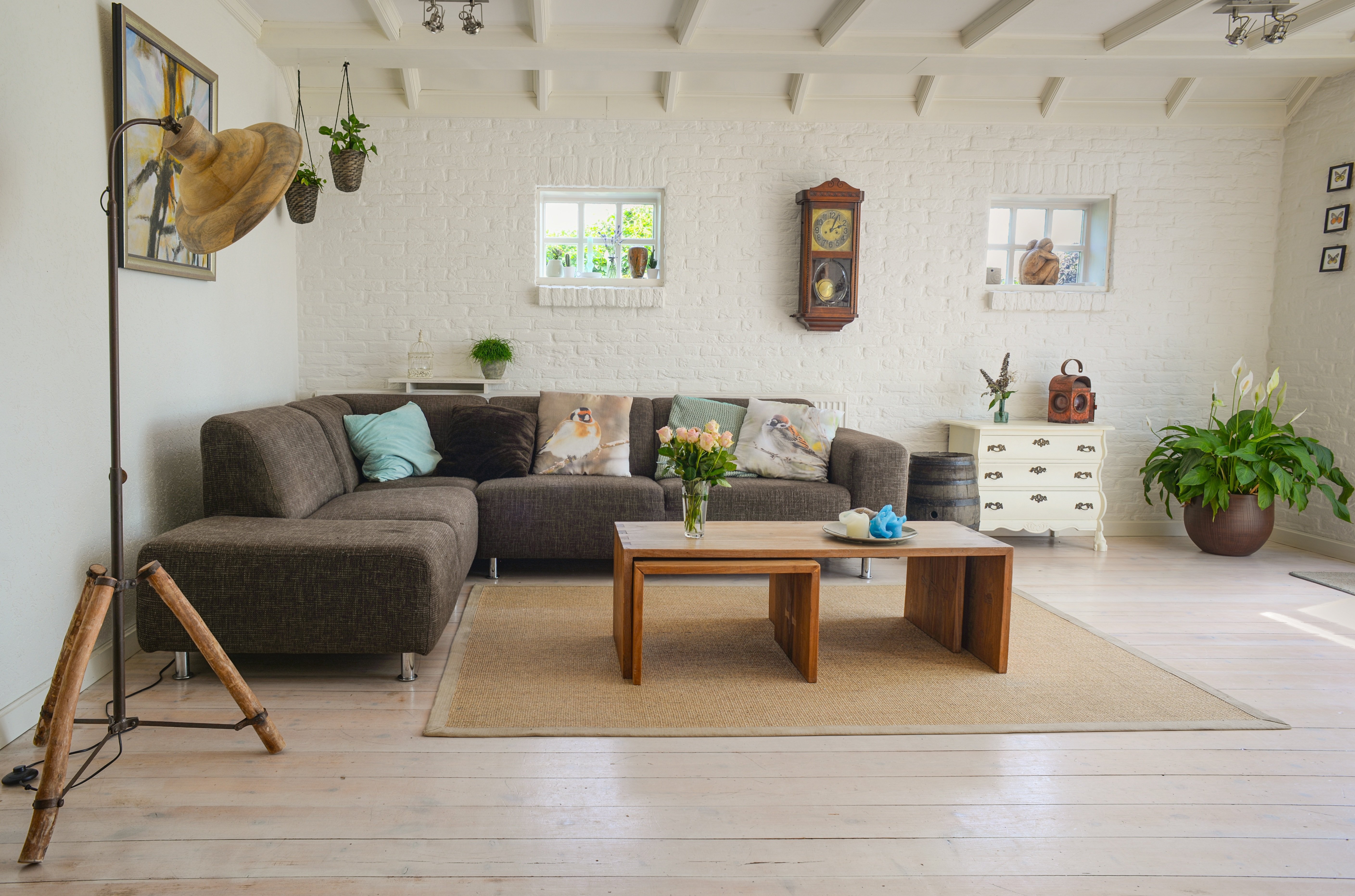
You walk into the corner of the coffee table. It doesn’t move. It doesn’t care. It has, in fact, been sitting in that exact spot for three years, entirely unbothered by your shin. And yet, without a flicker of hesitation, you say “sorry.”
Not just once, either. Sometimes there’s a follow-up mutter, a small apologetic nod, occasionally even a light pat on the offending object, as if to reassure it that no hard feelings. The table, for the record, has never once accepted or rejected an apology in the whole of recorded history.
So why do we do this?
The short answer is that your brain is a social creature that occasionally forgets to check what it’s being social with. This is a form of anthropomorphism — our deeply wired tendency to treat objects, animals, and even inanimate shapes as if they have thoughts, feelings, and intentions. It’s the same instinct that makes you feel genuine relief when your laptop finally starts after three attempts, or mild betrayal when your car “chooses” not to start on a cold morning. Furniture doesn’t get spared just because it’s furniture.
There’s a more specific reflex at play too, though, and it’s less about the table and more about you. Saying “sorry” after a collision is what’s known as a social reflex — an automatic politeness response so deeply practised that it fires before conscious thought gets a say. You’ve said “sorry” after bumping into thousands of actual people over your lifetime, so many times that the response has become entirely automatic, tied to the physical sensation of collision rather than to any judgement about who, or what, was on the receiving end. Your brain reacts to “I just walked into something” faster than it can process “that something was, in fact, a table.”
Here’s the interesting twist: this isn’t a flaw in your thinking. It’s actually a sign of efficient thinking. Constantly pausing to consciously assess whether every object you touch deserves a social response would be exhausting and slow. It’s far quicker for your brain to run the default “acknowledge collision, apologise” script every time, and simply accept the occasional wasted apology to a chest of drawers as the cost of doing business.
So next time you find yourself murmuring “sorry” to a doorframe, don’t feel silly about it. You’re not confused about the nature of furniture. You’re just running on a reflex so efficient it doesn’t bother checking who — or what — is listening.
The doorframe, it should be said, has never once said “you’re welcome.” But give it time.
Be honest, and let me know in the comments, is this you? I know it is certainly me!