
You’re reading a review of a gadget with no flaws. The battery never dies, the price is a steal, and every paragraph ends in a buy button. By the third paragraph you’ve quietly opened another tab to find out what they aren’t telling you.
The shift
Shoppers have learned to read praise-only reviews as sales copy, and many now go looking for the downsides before they trust anything else. PowerReviews research reports that 82% of shoppers specifically seek out negative reviews. For an affiliate, that changes the job. Your central asset is credibility, and a recommendation that reads like an advert spends it quickly.
It matters more now that AI assistants can produce a competent, neutral product summary in seconds. What they cannot produce is a voice readers trust because it has actually used the thing.
How it actually works
Research from Northwestern University’s Medill Spiegel Research Center found that purchase likelihood typically peaks when a product’s rating sits between 4.0 and 4.7 stars, then falls as it approaches a perfect 5.0. The likely explanation is scepticism: a flawless score looks curated, while a few criticisms make the praise believable.
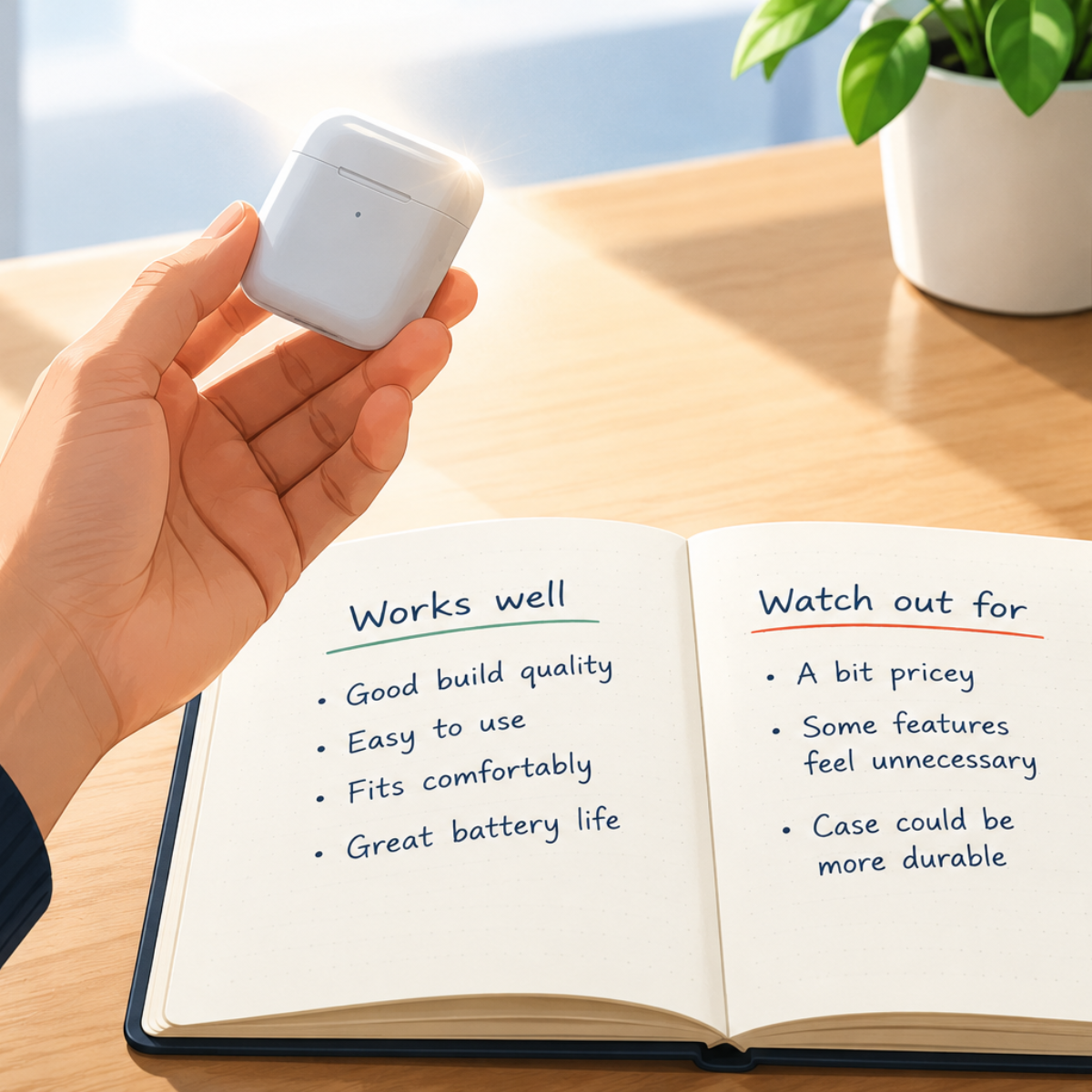
The same logic plausibly applies to an affiliate review. Naming a genuine weakness works as evidence that the rest of the review is real, and it lets the reader judge whether the product suits them. A buyer who feels informed has more reason to trust the link than one who feels managed.
The honest complication
Two caveats. The Spiegel study dates from 2017 and examined star ratings on retailers’ own product pages, not affiliate reviews, so it is a useful signal rather than proof for your content. And honesty has a cost: criticising a product you earn commission on may lose you some clicks in the short term. It also has to be real. A token flaw such as “the packaging is almost too nice” fools nobody.
The practical takeaway
Build the downside into your review structure. State the main weakness in the first third rather than burying it, add a short “who this isn’t for” section, and back every criticism with something you actually observed. For example, “the battery lasts about a day and a half, not the two days claimed, and the case scratches easily” usually earns more trust than three paragraphs of enthusiasm. Keep your affiliate disclosure clear and upfront, so the honesty starts before the first link. Then judge each review by a simple test: if it never talks anyone out of buying, it isn’t helping anyone decide.
A review that can say no is the only kind whose yes is worth anything.
Genuinely curious: do you trust a review more or less when it points out a flaw? Tell me in the comments.